April's newsletter is out! ✉️

FOR RESTORATION OWNERS

You Smell It Before You See It:

Nicotine Odor and the Protocol That Actually Holds

Smoke odor from long-term tobacco use is one of the most deeply embedded contamination challenges in remediation. Here’s why it is so resistant, and what a durable elimination protocol requires.

ENVIROGUARD FIELD GUIDE  ·  ODOR REMEDIATION  ·  7 MIN READ

FROM THE FIELD

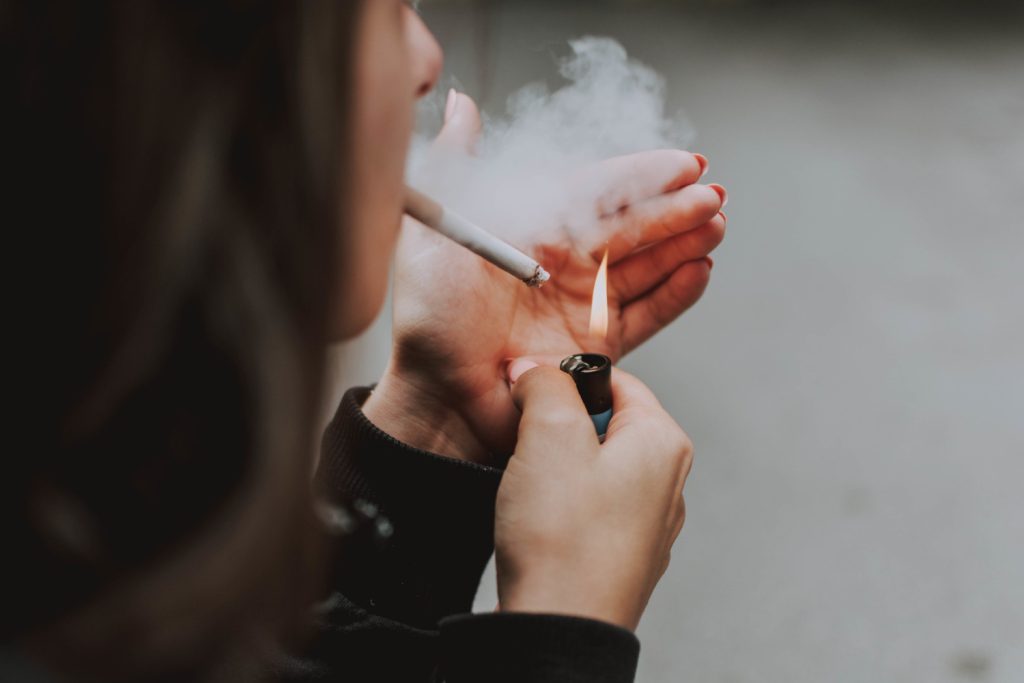
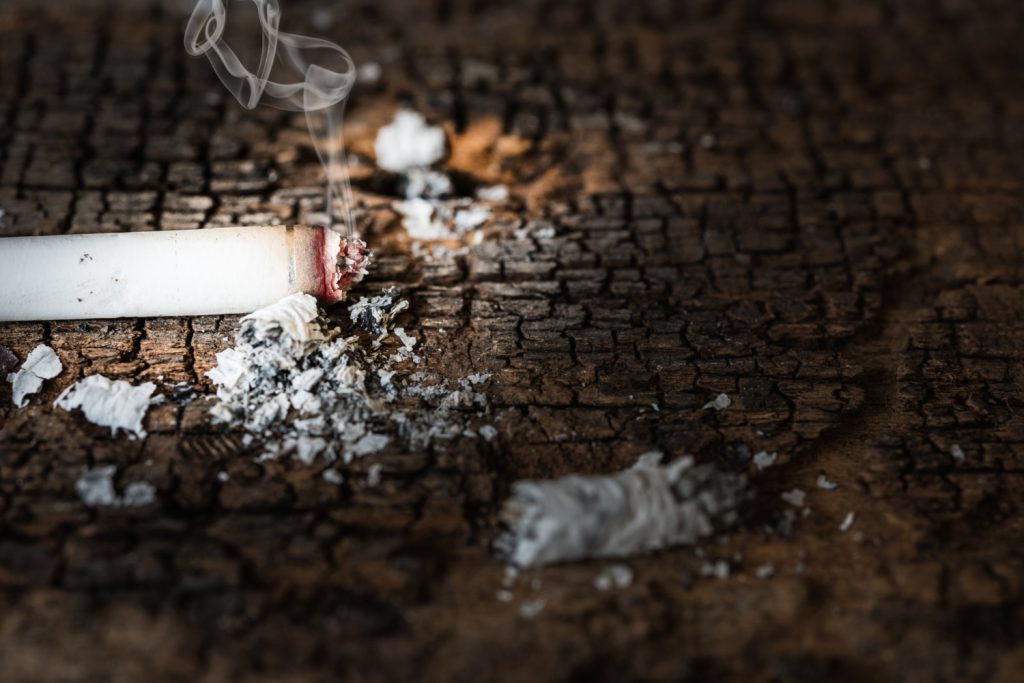
Picture the call. A property management company needs a unit turned over. Previous tenant was there eight years. You pull up, grab your clipboard, and the moment the door opens you stop. You don’t need to walk in. You don’t need to look at the walls or run a finger across the windowsill. You already know. That dense, sweet, stale concentration that fills the doorframe and settles into the back of your throat is not just smoke. It is eight years of it, cooked into every painted surface, every inch of drywall, every ceiling tile and cabinet face and strip of baseboard trim in the unit.

You step inside anyway. The walls are that particular shade of amber near the ceiling. The light switch plates are a color they were definitely not installed as. There is a film on the inside of every window, and the blinds have absorbed it so thoroughly that cleaning them is a conversation you will need to have with the property manager. The HVAC filter is a color that should not exist in nature.

You have been in this situation enough times to know exactly what the next conversation sounds like. The owner wants to know if you can paint over it. You can, but they will smell it again within two weeks once the paint starts breathing. They want to know if an ozone treatment handles it. It helps with the airspace. It does not touch what is embedded three layers deep in the drywall. They want to know the real answer, and you already know what it is. This is a nicotine contamination job, not a cleaning job. There is a meaningful difference between the two, and what follows is the science behind why.

Nicotine odor contamination is categorically different from other smoke-related odor challenges. It is not a surface residue problem. It is a structural absorption problem, one in which an alkaloid compound with a strong chemical affinity for porous materials has been deposited continuously over months or years, penetrating into substrate layers that cleaning alone will never reach.

The Core Problem

Third-Hand Smoke: Why the Odor Outlasts the Occupant

Most contractors are familiar with the concept of second-hand smoke. Third-hand smoke is the term used to describe what remains after the smoke itself is gone: the residue of tobacco combustion that deposits on every surface within a space and continues to off-gas into the airspace indefinitely. In a property where someone smoked daily for years, that residue is not a surface film. It is a structural condition.

Tobacco smoke is a complex aerosol containing more than 7,000 chemical compounds, including nicotine, tar particulates, volatile aldehydes, aromatic hydrocarbons, and volatile phenols. As smoke circulates through a space, these compounds deposit onto every available surface. The critical factor is surface porosity. Gypsum board, ceiling tile, dimensional lumber, porous paint, carpet fiber, upholstery, and insulation all absorb these compounds at different rates and at different depths, creating a distributed contamination load that exists simultaneously throughout the entire material envelope of the structure.

Nicotine itself is particularly problematic because of its physical chemistry. It is a tertiary amine, a sticky, oily alkaloid that binds readily to acidic and porous surfaces, and forms a semi-permanent residue layer that thickens over time. Unlike volatile compounds that dissipate on their own, nicotine residue does not evaporate. It re-emits the volatile combustion byproducts it has absorbed, and over time it undergoes secondary chemical reactions that generate new odor-active and hazardous compounds. The longer the contamination history, the deeper the penetration and the more complex the chemistry of what you are remediating.

THE SECONDARY REACTION PROBLEM: NITROSAMINES AND ONGOING CHEMISTRY

One of the less commonly understood aspects of long-term nicotine contamination is that it does not remain chemically static after deposition. Nicotine residue on surfaces reacts with indoor airborne pollutants, particularly nitrous acid, to form tobacco-specific nitrosamines (TSNAs), a class of potent carcinogenic compounds. This means the contamination in a heavily smoked property is not just the original tobacco residue. It is that residue plus new hazardous compounds generated by ongoing chemical reactions within the absorbed material layer.

From a remediation standpoint, this secondary chemistry matters for two reasons. First, it means that contamination in a long-occupied smoker’s property is chemically more complex and potentially more hazardous than contamination from a shorter-duration exposure. Second, it means that the contamination is actively evolving , not simply sitting inert in the substrate. A protocol that addresses only the surface layer will leave reactive precursor compounds in place that will continue driving secondary reactions and re-emission long after the job is complete.

This is why the job description of “clean the walls and run an ozone machine” consistently fails to hold results. You are not addressing what the contamination has already become.

Odor Chemistry

What You Are Actually Smelling: The Nicotine Contamination Profile

The odor profile of a heavily smoked property is not produced by any single compound. It is the combined off-gassing of a complex mixture of deposited combustion byproducts, all simultaneously re-emitting into the occupied airspace from every contaminated surface. Understanding the primary contributors is essential to selecting the correct treatment chemistry.

ALKALOID RESIDUE

Nicotine

The primary deposited compound and the binding matrix for much of the rest of the contamination. Nicotine is a sticky, oily alkaloid that adheres aggressively to porous surfaces and resists removal by water and most cleaning agents. It holds and re-releases the more volatile compounds absorbed into its surface layer continuously.

COMBUSTION BYPRODUCTS

Tar and Particulate Residue

The condensed particulate fraction of tobacco smoke deposits as a viscous brownish-amber film on cooler surfaces. This film acts as a reservoir for absorbed volatile compounds and is responsible for the characteristic yellowing of painted surfaces. It is also the component that bleeds through latex paint when a surface is repainted without proper sealing, causing odor and staining recurrence within weeks.

REACTIVE ALDEHYDES

Acrolein, Formaldehyde & Acetaldehyde

Highly reactive aldehydes generated during combustion absorb into porous materials and continue off-gassing over extended periods. Acrolein has a sharp, acrid, irritating odor. Formaldehyde and acetaldehyde contribute the harsh, chemical bite component of the smoke smell. These compounds also react with surface materials to form semi-stable adducts that re-release under elevated temperature and humidity.

AROMATIC HYDROCARBONS

Volatile Phenols and PAHs

Phenolic compounds from combustion contribute the deep, persistent smoky base note that characterizes long-term contamination. Polycyclic aromatic hydrocarbons (PAHs), while less volatile, accumulate in the surface residue layer and off-gas slowly over time, extending the effective odor duration far beyond what more volatile compounds would produce alone.

The practical consequence of this odor chemistry is that tobacco contamination produces a persistent, multi-layered emission profile that covers a wide range of volatilities. Lower-volatility compounds, including nicotine itself, tar fractions, and PAHs, off-gas slowly over months and years, sustaining the odor long after any surface cleaning has removed the visible residue. This is the chemistry behind the callbacks.

A NOTE ON MARIJUANA SMOKE CONTAMINATION

Properties with a history of marijuana smoking present a related but distinct contamination profile. The combustion chemistry overlaps significantly with tobacco: both produce aldehydes, volatile phenols, and particulate residue that deposits into porous materials and requires the same structural treatment approach. However, there are meaningful differences in contamination severity.

Marijuana smoke contains higher concentrations of certain terpene-derived aromatic compounds that contribute a distinct odor signature, and the resins produced during combustion are chemically different from tobacco tar. But the critical distinction from a scope perspective is this: tobacco contamination almost always involves far greater exposure frequency, duration, and volume. A daily cigarette smoker in a sealed unit for five years deposits a contamination load that substantially exceeds what most marijuana use patterns produce in the same timeframe. Nicotine residue also binds more aggressively to alkaline and porous surfaces.

Both require the same protocol, and neither responds to cleaning alone. When both are present, treat to the heavier condition.

Assessment Framework

Classifying Smoke Odor Severity Before Treatment Begins

Accurate OSI classification on smoke contamination jobs is especially important because the visual presentation of the property can mislead scope assessment in both directions. A recently painted unit may show no visible nicotine staining while harboring severe contamination in the underlying drywall, subfloor, and framing. Let the chemistry and the conditions drive the classification, not the paint color.

OSI-1

Light Odor

Odor is detectable but mild, typically from limited or short-duration smoking in a well-ventilated space. Contamination is primarily at surface level with minimal deep substrate penetration. No visible staining on painted surfaces. Targeted cleaning and a standard Dutrion fumigation cycle are typically sufficient, with VaporLock reserved for any confirmed penetration into construction materials.

OSI-2

Moderate Odor

Odor is persistent and present throughout the space. Some visible surface discoloration at high-contact zones such as ceilings, around vents, and near window frames. Contamination has penetrated into porous materials including drywall face paper, carpet backing, and ceiling tile. Full surface cleaning, Dutrion fumigation, and VaporLock application to porous construction materials are required.

OSI-3

Heavy Odor

Odor is strong and immediate, detectable before full entry. Visible nicotine staining throughout, HVAC system contaminated, and structural materials affected at depth. This is the multi-year daily-smoker scenario. Comprehensive surface degreasing, full-structure Dutrion fumigation with extended dwell, and VaporLock on all exposed construction materials are required. HVAC system must be addressed independently before fumigation.

For properties that present as freshly repainted, the OSI classification should include a close inspection of less accessible areas: the interior of closets, the space behind door stops, HVAC return grilles, and the underside of cabinet shelving. A single sniff inside a closed closet or in front of an HVAC return register will tell you more about the true contamination load than the freshly painted living room walls.

Common Failure Points

Why Smoke Odor Jobs Come Back

Nicotine contamination callbacks are predictable, and they almost always trace back to the same set of treatment shortcuts. This is one of the odor categories where the gap between a surface-level response and a structural response is most consequential because the chemistry guarantees re-emission if the job is done incompletely.

Painting over without sealing. Standard latex paint does not create a vapor barrier. Nicotine and tar compounds migrate through it within days to weeks, both re-emitting odor and causing visible staining bleed-through. Even primer coats without a purpose-built odor-sealing barrier are inadequate for OSI-2 and OSI-3 conditions. Painting is a cosmetic step. It is not a remediation step.

Ozone treatment without surface degreasing. Ozone improves airspace odor significantly and handles volatile compounds in the air effectively. It does not penetrate the nicotine and tar film on surfaces to any meaningful depth, and it cannot reach the contamination embedded in drywall, subfloor, or framing. It is the right component of the wrong-sequenced protocol.

Skipping the HVAC system. Filter media, evaporator coil fins, drain pan, and the interior of ductwork insulation have all absorbed tobacco compounds over the entire duration of exposure. A fumigation treatment with the HVAC running will recirculate contaminated air through a system that is itself a contamination source. The HVAC must be addressed separately before whole-structure fumigation proceeds.

Treating surfaces but not porous construction materials. Cleaning the painted face of a wall removes the surface-accessible contamination. It does not reach what has migrated into the paper and gypsum over years. Those embedded compounds continue to drive re-emission after the surface is clean. In OSI-2 and OSI-3 conditions, this is where VaporLock earns its role.

Underestimating dwell time for chemical treatment. Insufficient dwell time produces partial oxidation of surface-accessible compounds while leaving deeper-embedded contamination untouched. Dwell time is not a variable to optimize against cost. It is the variable that determines whether the outcome holds.

Professional Protocol

The Odor Removal System: Clean, Deodorize, Control

Durable smoke odor elimination in nicotine-contaminated properties requires a layered protocol aligned to the specific chemistry of tobacco residue. No single product or single-phase approach addresses the full contamination profile. The professional protocol works at three distinct levels: mechanical and chemical removal of surface soil load, gas-phase oxidative neutralization of residual compounds embedded in materials and airspace, and vapor barrier encapsulation of structural components where deep penetration has occurred. Each step is necessary. Each closes a gap the previous step cannot reach.

THREE-STEP SMOKE ODOR REMEDIATION SYSTEM

Remove the surface load. Eliminate what remains at depth. Seal the structural pathway permanently.

1

Clean

Surface Degreasing

Code Orange

2

Deodorize

Oxidative Neutralization

Dutrion Fumigation

3

Control

Vapor Barrier Sealing

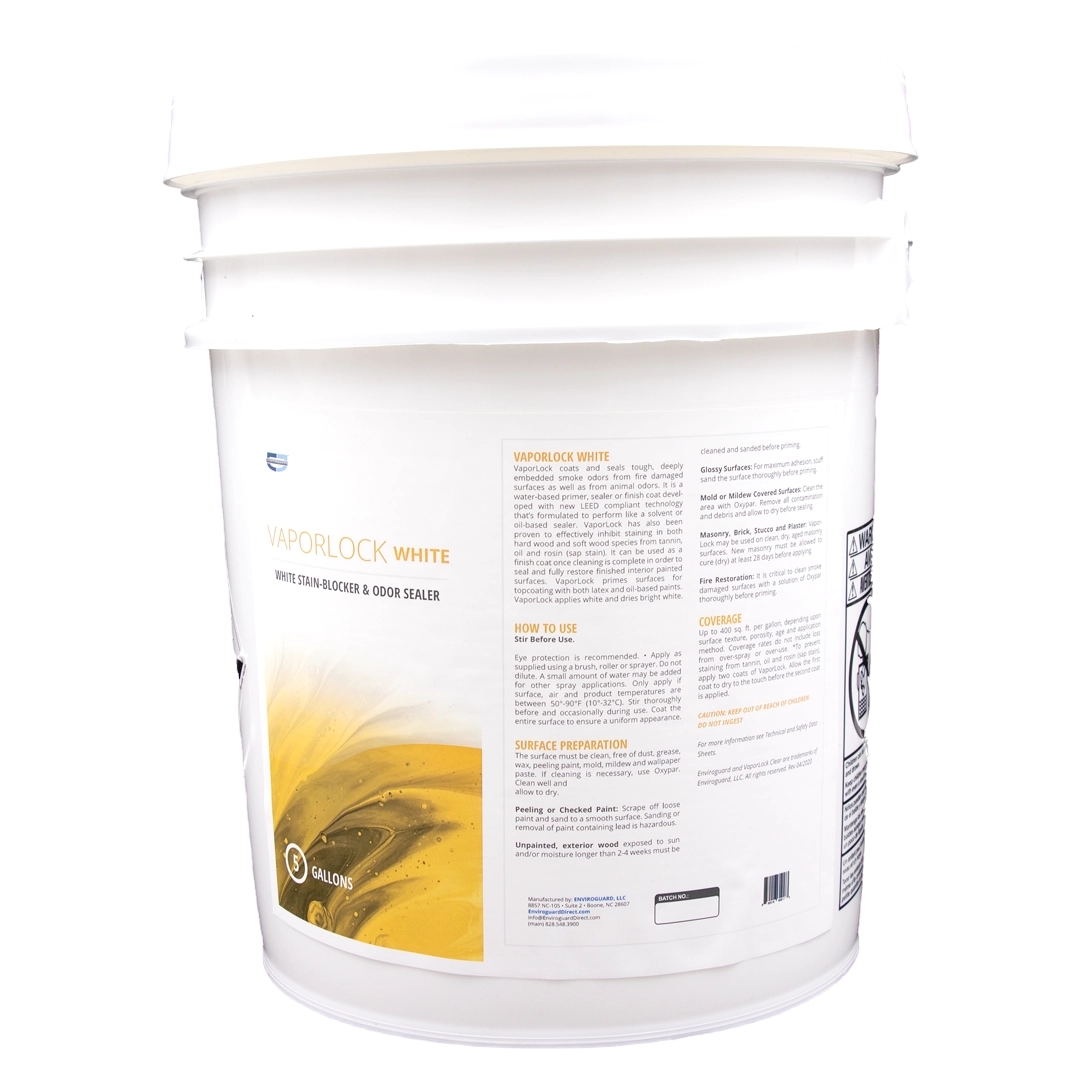
VaporLock

Code Orange

Code Orange

SHOP NOW
1

Clean: Surface Degreasing of Nicotine and Tar Residue

CODE ORANGE

The cleaning step serves two purposes on smoke contamination jobs: it removes the physical soil load from accessible surfaces, and it prepares those surfaces for effective chemical penetration in the fumigation step. Nicotine and tar residue form a film that acts as a barrier to chemical treatment if left in place. Cleaning first means the deodorization step can work against the material, not the contamination layer sitting on top of it.

Code Orange is a heavy-duty citrus-based cleaner and degreaser formulated to cut through the oily, bonded residue that tobacco smoke deposits on hard surfaces. Applied to walls, ceilings, cabinet faces, window frames, hard flooring, and any other cleanable surface in the space, Code Orange lifts the nicotine and tar film, reduces the surface soil load, and prepares the substrate for the chemical treatment that follows.

Pay particular attention to HVAC registers and return grilles, the tops of door frames, window sill edges, and any area that receives concentrated airflow. These zones accumulate disproportionate contamination because smoke-laden air was moving across them continuously. The HVAC system should be serviced independently before fumigation begins, not after.

Dutrion

Dutrion

SHOP NOW
2

Deodorize: Chlorine Dioxide Fumigation for Structural Odor Elimination

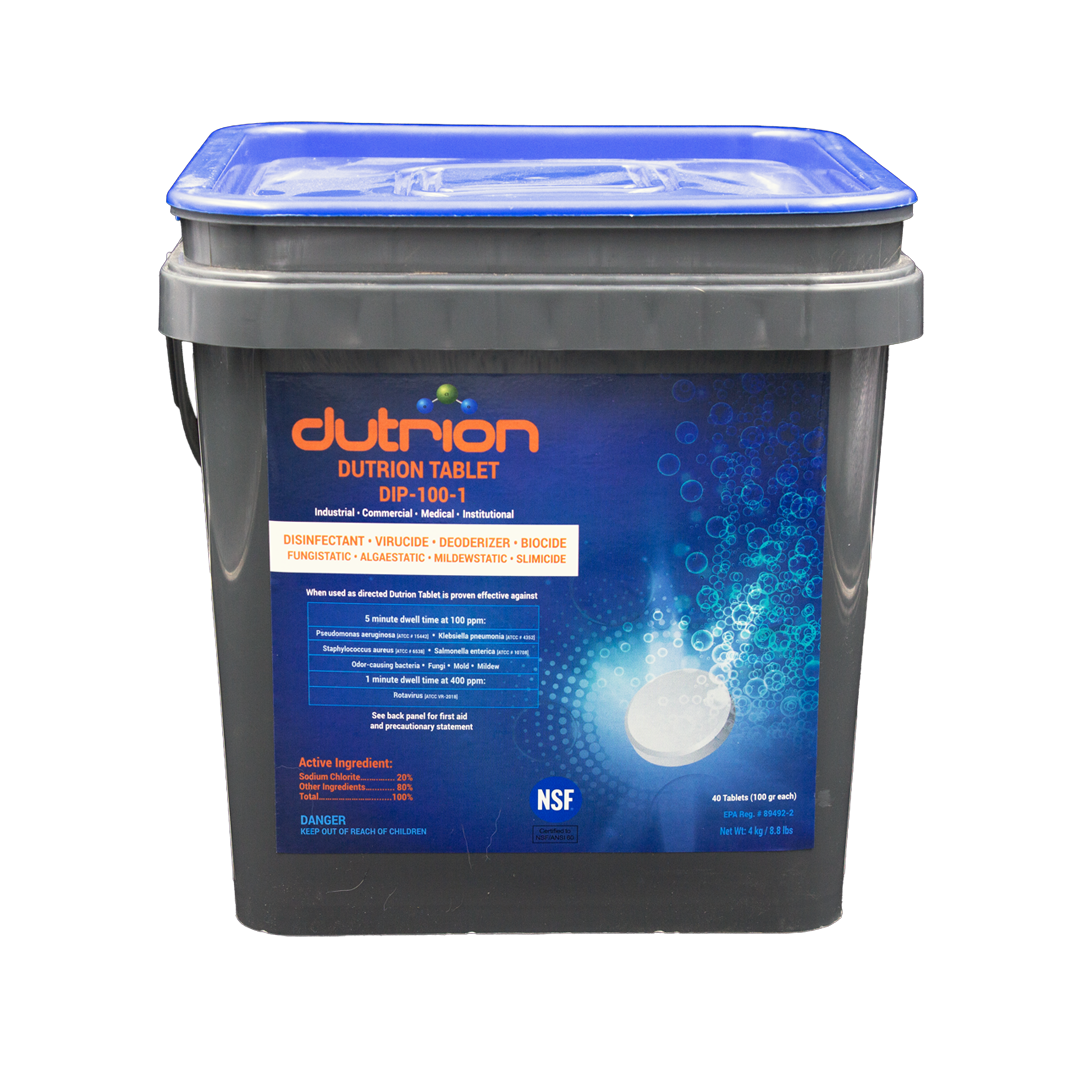
DUTRION FUMIGATION

Gas-phase chlorine dioxide (ClO₂) fumigation is the specified deodorization method for smoke contamination precisely because of its gas-phase diffusion profile. Nicotine and combustion byproducts have distributed themselves through the air exchange system of the property into every porous material in the space. No liquid application covers that distribution uniformly. ClO₂ gas does, because it penetrates into the same material porosity that allowed the contamination to absorb in the first place.

The reaction mechanism is oxidative destruction. Chlorine dioxide does not mask odor compounds. It reacts with the chemical bonds present in aldehyde, phenolic, and nicotine-derived molecules, breaking them down into neutral, non-odorous end products. Acrolein, acetaldehyde, volatile phenols, and residual nicotine off-gassing are all susceptible to ClO₂ oxidation. The reaction is irreversible. Once the compound is oxidized, it is gone.

For OSI-2 and OSI-3 conditions, fumigation concentration and dwell time are the critical variables. Adequate generator output and a properly sealed space are required to maintain an effective concentration throughout the dwell period. Heavy contamination jobs require the time the chemistry needs to complete. The containment is maintained until the dwell is done, and the space is ventilated completely before reoccupancy.

VaporLock

VaporLock

SHOP NOW
3

Control: VaporLock Encapsulation of Affected Construction Materials

VAPORLOCK

In any property with OSI-2 or OSI-3 smoke contamination, residual nicotine and combustion byproducts have penetrated into construction materials at depths beyond what surface cleaning and gas-phase fumigation can fully address. As temperature and humidity cycle seasonally, those embedded compounds continue to drive vapor-phase emission back into the occupied space. This is the source of the familiar pattern: the job holds through winter and comes back in the first humid weeks of spring.

VaporLock is applied to exposed construction material surfaces as the final step in the remediation sequence. The coating creates a vapor-impermeable barrier at the treated surface, physically sealing the emission pathway that allows residual compounds to re-enter the airspace above. For smoke contamination jobs, the primary application surfaces are drywall, where VaporLock also acts as a stain-blocking primer preventing nicotine bleed-through on the subsequent paint coat, along with any exposed OSB, plywood, or framing.

VaporLock is not a substitute for the cleaning and fumigation steps. It is the layer that protects those steps over time, ensuring that the remediation holds through the first year of occupancy and beyond. In a real estate or property management context, it is also the component that gives a professional remediation outcome an actual warranty basis.

Supporting Data

The Numbers Behind Nicotine Contamination Persistence

The chemistry of third-hand smoke contamination is well documented in environmental health and indoor air quality research. These are the figures that should be informing scope decisions and client conversations on every heavy smoke contamination job.

7,000+

COMPOUNDS IN TOBACCO SMOKE

Tobacco smoke contains over 7,000 chemical compounds, hundreds of which are hazardous and dozens of which are known carcinogens. This complexity is what makes the odor profile so persistent and multi-layered.

Years

OFF-GASSING DURATION

Nicotine residue embedded in porous building materials can continue to off-gas detectable concentrations of volatile compounds for years after the last smoking event, with emission rates that increase under elevated temperature and humidity.

2 wks

TYPICAL PAINT BLEED-THROUGH

Standard latex primer and paint applied over nicotine-contaminated drywall without a vapor-blocking barrier typically begins showing odor and visible staining bleed-through within two weeks under normal occupancy conditions.

WHY TEMPERATURE AND HUMIDITY MAKE IT COME BACK

One of the most consistent patterns in smoke odor callbacks is seasonal recurrence: the job holds through the cooler, drier months and the odor returns when temperatures rise and humidity increases. This is not a coincidence. It is a predictable consequence of the physical chemistry of nicotine residue.

Vapor pressure governs how quickly embedded compounds volatilize into the airspace above them. Every 10°C increase in temperature roughly doubles the vapor pressure of many organic compounds, including the aldehydes and volatile phenols in tobacco residue. At the same time, elevated humidity softens the surface matrix of porous materials, making embedded compounds more mobile and accelerating their migration toward the surface.

This is exactly why VaporLock is not optional on OSI-2 and OSI-3 smoke jobs. The chemistry will win eventually, and it will win on the warmest, most humid day of the year, which is also the day your client calls you.

THE TAKEAWAY

Nicotine Contamination Is a Structural Problem, Not a Cleaning Problem

Smoke odor from long-term tobacco use is among the most chemically persistent conditions in remediation. The compounds responsible for it are physically embedded in every porous material in the structure, chemically bonded to surfaces, and in long-exposure properties, actively generating secondary contamination through ongoing reactions with indoor air. No single product addresses all of that. No surface-only approach reaches it. And nothing painted over an unsealed nicotine-contaminated substrate is going to hold.

The correct protocol matches the scope of the chemistry: surface degreasing to remove the accessible contamination load and prepare materials for treatment, gas-phase chlorine dioxide fumigation to oxidatively eliminate the compound profile distributed through the material and airspace, and VaporLock encapsulation to permanently close the vapor emission pathway from residual deep-substrate contamination. That sequence addresses each layer of the problem with the chemistry specific to that layer.

The result is not a property that smells better. It is a property where the compounds responsible for the odor have been eliminated at the material level and sealed at the structural level. That is the standard the job requires, and it is exactly what a correctly sequenced three-step protocol delivers. Because the owner standing in that doorway deserves a result that holds through the first summer.

Become an Enviroguard Certified Firm

Get the product stack, the OSI training, Assessment Guide, and the SOP your crews need to stop eating callbacks on fire loss work plus placement in our Find a Pro directory.

Apply to Become a Certified Firm
Share the Post:

Want to stay in the loop?

Subscribe to our marketing updates to stay informed on training, events, and new products.

Name(Required)
Email(Required)
Privacy(Required)