

Why do homeowners (and even professionals) call it “mildew” instead of mold? This happens all the time, and it’s rarely accidental. It’s usually a mix of psychology, liability awareness, and cost avoidance.
Let’s break it down in a way that’s helpful to your team in the field and in customer conversations.

When a property owner says “it’s just mildew”, they’re often trying to reframe the problem downward—whether they realize it or not.
“Mold” carries weight:
“Mildew” feels:
👉 So the language is a defense mechanism:
“This is small, manageable, and not a big deal.”
They instinctively understand (or have heard) that:
So calling it mildew is often an attempt to:
This is where it gets more strategic.
Using “mildew” instead of “mold” can be an attempt to:
Even subconsciously, they’re thinking:
“If I don’t call it mold, maybe it doesn’t become a mold problem.”
By the time you show up, your customer has already set a narrative:
“It’s just a little mildew in the bathroom.”
That framing:
The goal is not to correct them bluntly because that creates defensiveness.
Instead, guide them to a better understanding.
“Totally fair, people use the term ‘mildew’ for a lot of things. What we look at is how widespread it is, how embedded it is, and the moisture sources that are causing it to grow. That determines whether it’s a simple cleaning issue or something that needs a more complete solution.”
This does three things:
Instead of arguing terminology, ask:
Now you’re:
The Mold Severity Index is designed to help remediation professionals connect inspection, cleaning, and treatment methods into one clear system.
If you’d like to see how the full framework works in the field, including the chemistry and remediation approach used at each severity level, you can explore the full guide here:
👉 See How our Severity Index System Works
You’re not selling “mold vs mildew.”
You’re selling a correct process based on severity and condition.
“If it’s truly surface-level, we treat it one way. If it’s started to root into materials, we use a different approach to solve it, not just make it look clean.”
That’s a much easier “yes.”

This misunderstanding is gold for growth if you use it right.
When someone says “mildew,” they’re usually trying to:
Your job isn’t to correct the word.
Your job is to reframe the problem around behavior, depth, and recurrence—and then guide them to the right solution.
Professional remediation contractors rely on specialized chemistry to properly address microbial contamination. The following Enviroguard products are commonly used within remediation workflows to clean, treat, and restore affected environments.

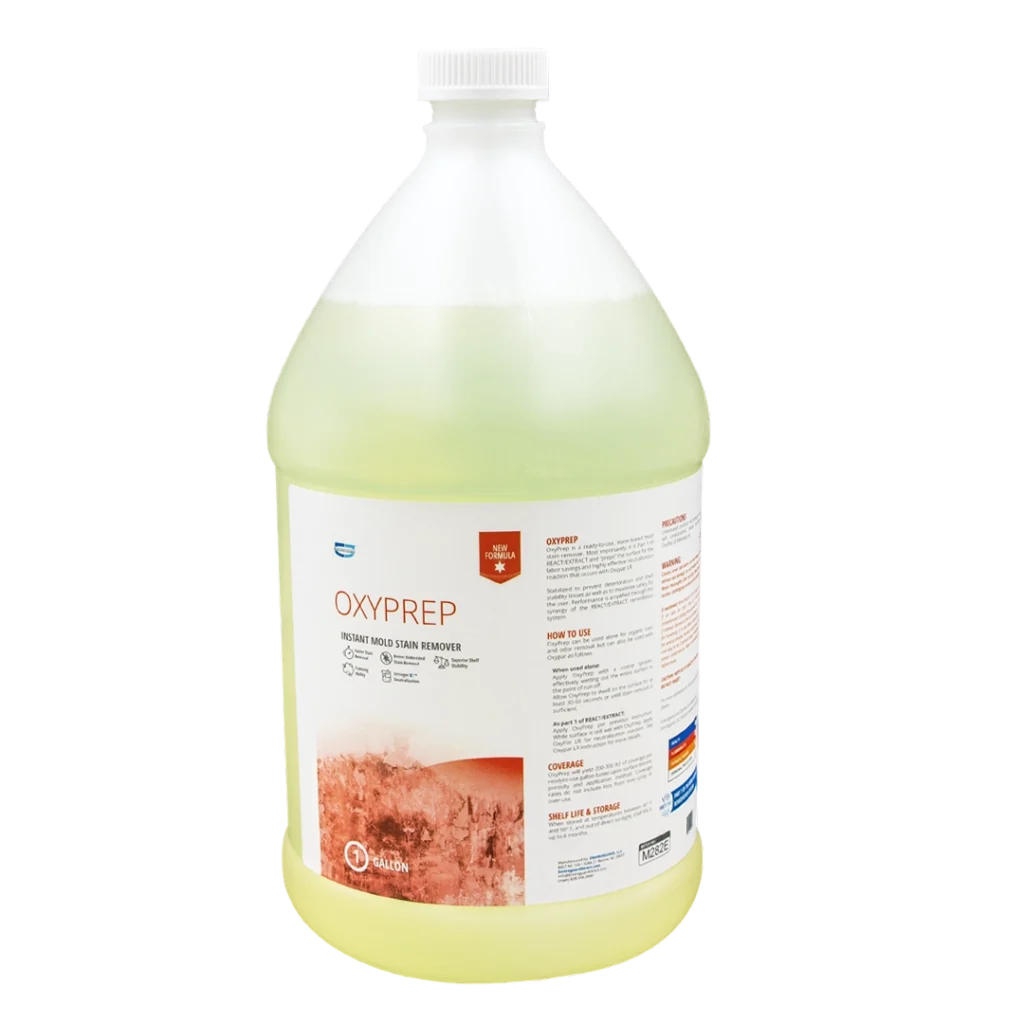
OxyPrep™ removes mold stains quickly without the need for scrubbing, sanding, or media blasting, reducing mess and the risk of cross-contamination. It can be used most efficiently as Step 1 of the REACT|EXTRACT™ process.
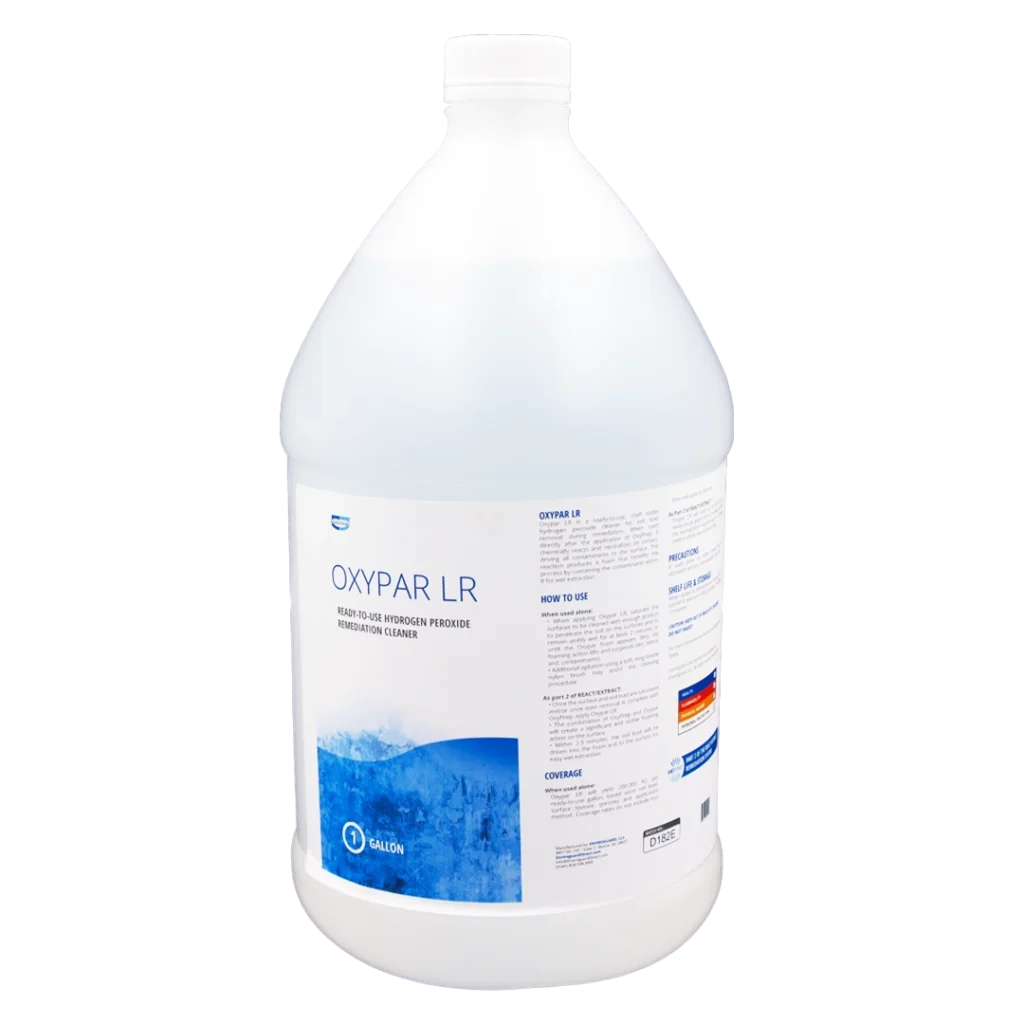
Oxypar Liquid Ready-to-Use™ is a powerful, ready-to-use hydrogen peroxide cleaner designed to penetrate, lift, and suspend soil loads while brightening a surfaces. While it can be used alone, it’s most efficient as Step 2 of the REACT|EXTRACT™ process.

Convenient and sized perfectly for the way you
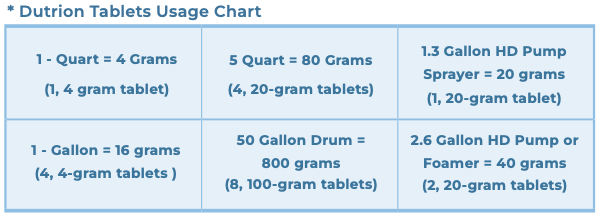
work, simply drop Dutrion into water and it will automatically mix and provide the sanitization solution you need. Dutrion is a fungicide, mildewcide, sporicide, algaecide, slimicide, odorcide, bactericide, and virucide making it one of the most complete antimicrobials available!


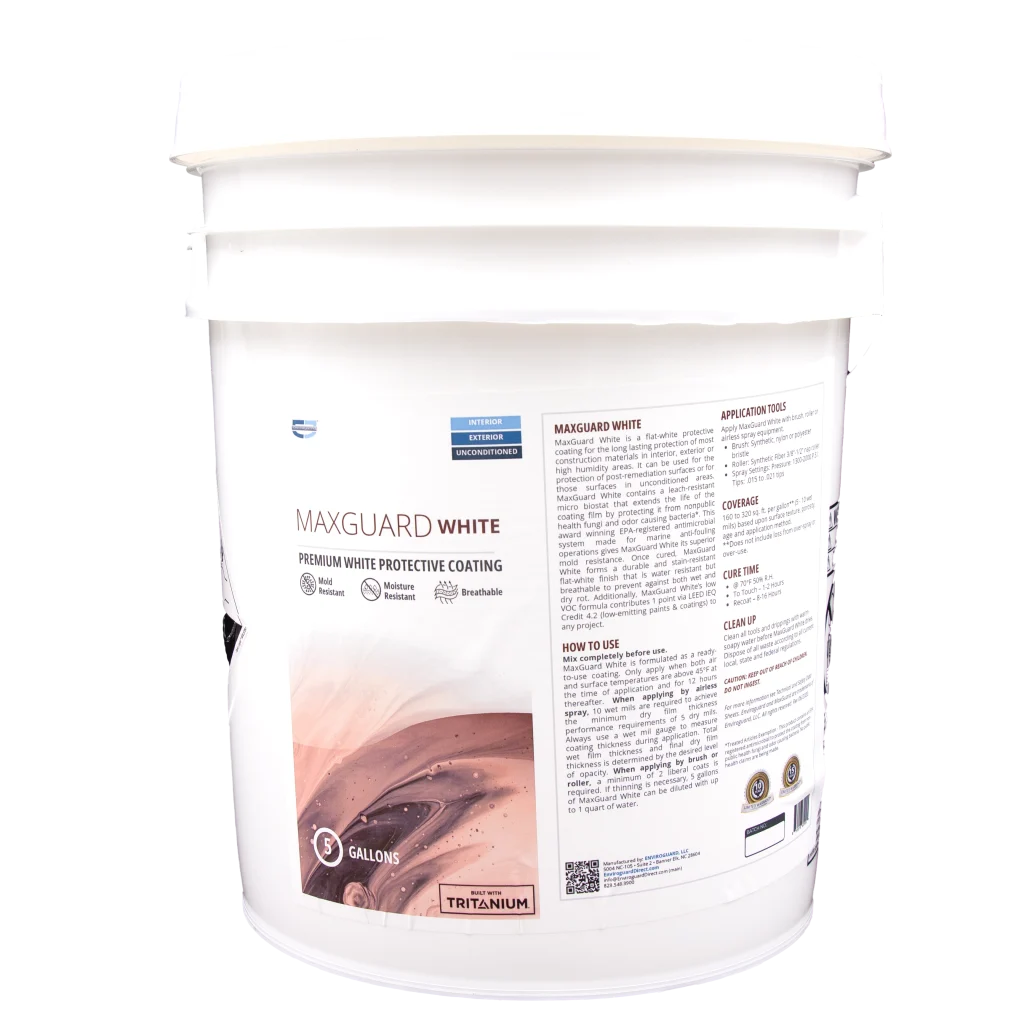
MaxGuard is a mold, moisture resistant, and breathable protective coating and “encapsulant” built with over 72% solids for moisture prone areas and exteriors. It’s most common uses are in unconditioned spaces such as:
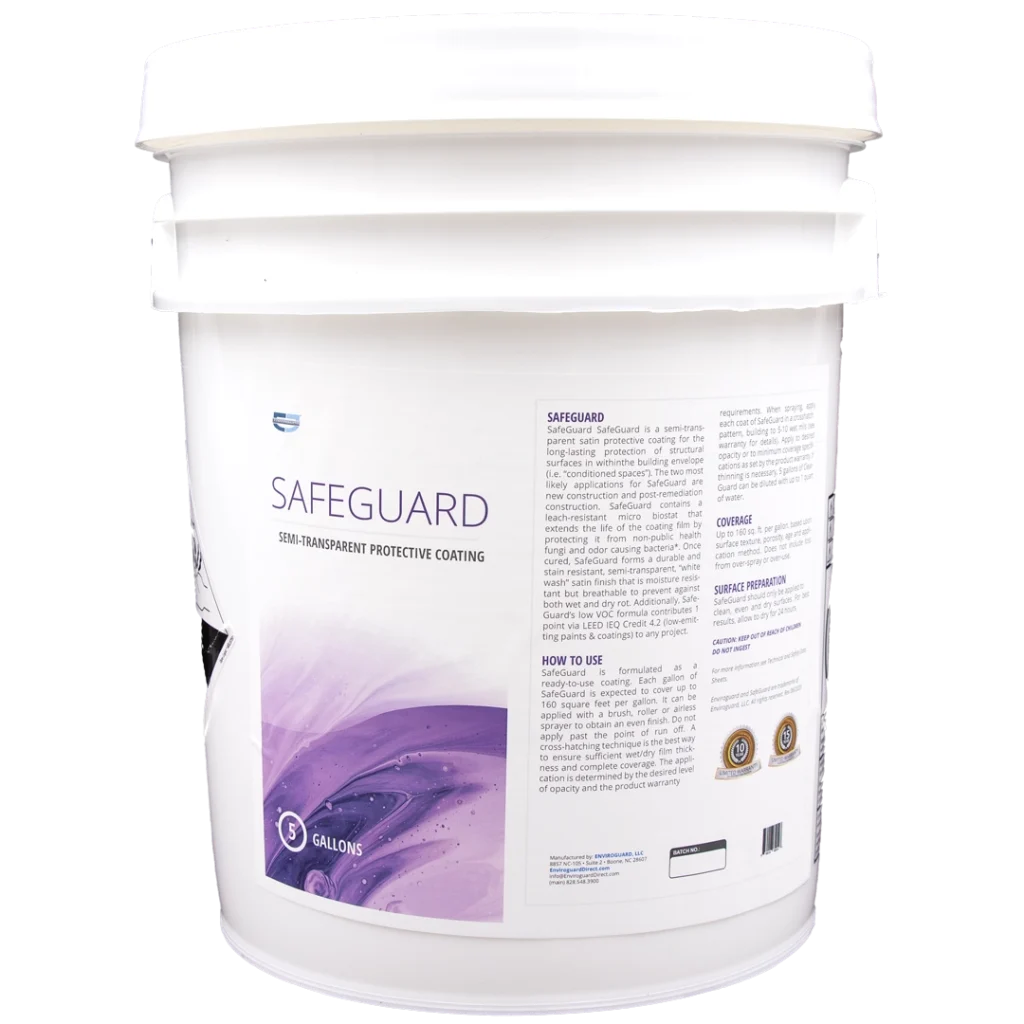
SafeGuard is a breathable, mold and moisture resistant coating for the protection of structural materials both during new construction or after remediation in existing construction. It’s most common uses are for the protection of:

TouchPoint™ is a revolutionary, clear microbial resistant surface protectant that forms a durable, breathable barrier on interior finished surfaces. It’s designed to help keep surfaces cleaner and drier for up to 12 months! TouchPoint™ works at the molecular level to block moisture and resist microbial growth on the treated surface. It’s most common uses are for the protection of:
If you are experiencing mold contamination or persistent mildew problems, a qualified remediation professional can assess the situation and determine the best treatment approach for your home or building.