

When something goes wrong in your home, a burst pipe, unexpected mold growth, or a kitchen fire, you suddenly start hearing new terms thrown around: remediation and restoration. They are not the same.
Understanding the difference can protect your health, your investment, and the long term integrity of your property. When you know what each phase actually means, you can make smarter decisions and avoid costly mistakes. Let’s walk through it clearly and simply.
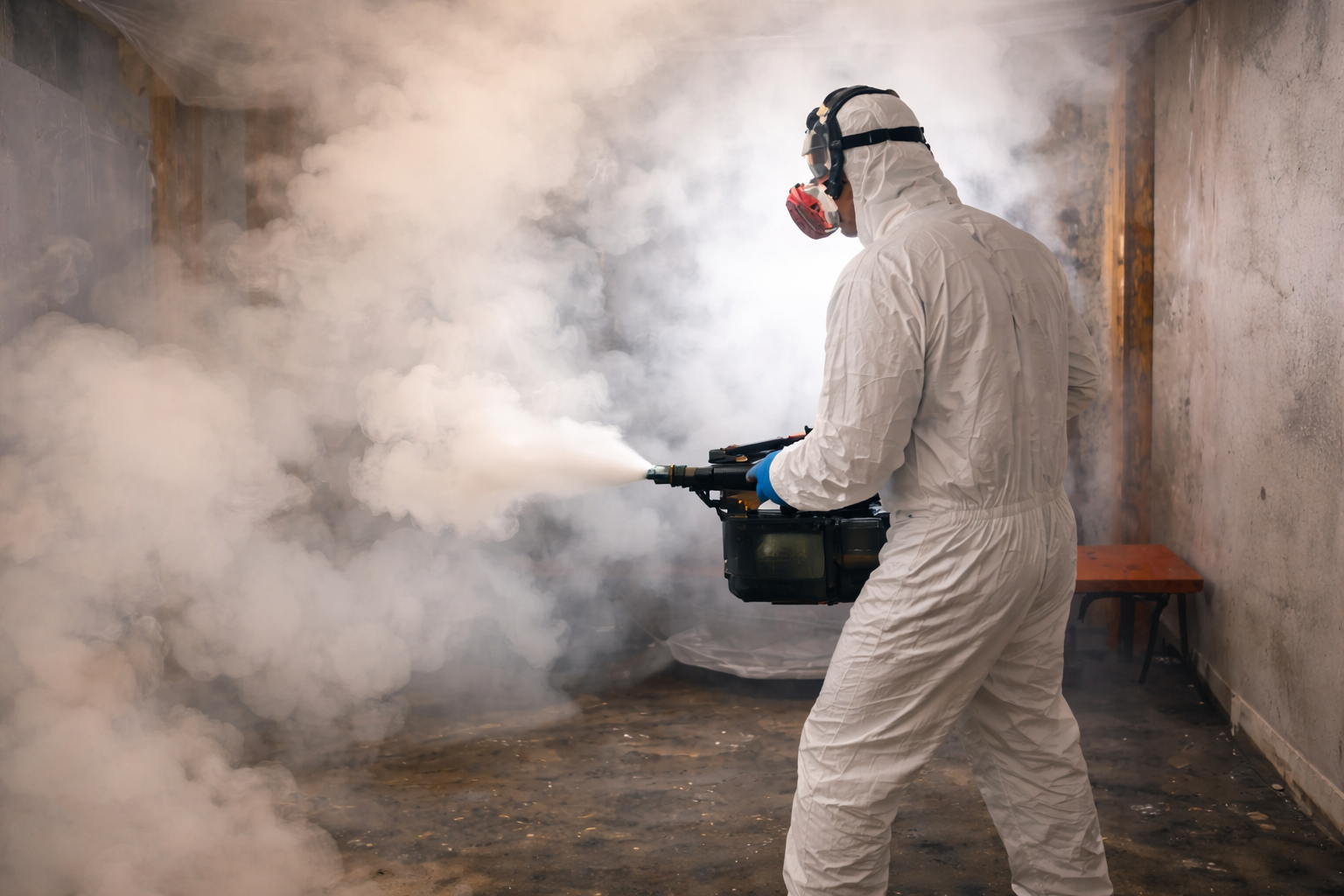
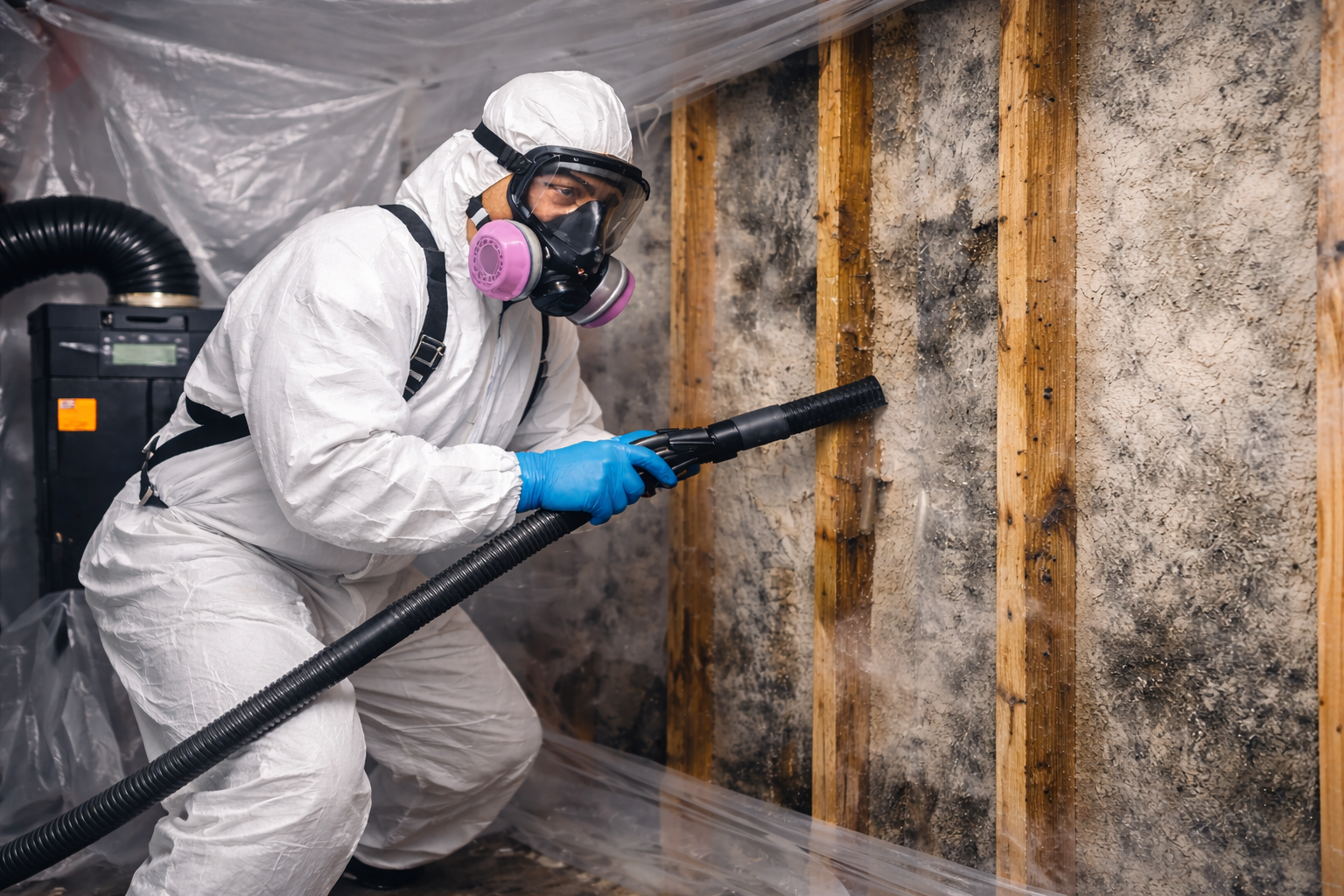
Remediation is the process of removing contamination and making an environment safe again. It focuses on solving the problem at its source, not improving appearance. If mold is growing inside a wall, remediation involves identifying it, containing the area, removing contaminated materials when needed, and properly cleaning and treating affected surfaces. After a fire, remediation breaks down soot and odor molecules instead of simply masking the smell.
Professional remediation follows industry standards published by the Institute of Inspection Cleaning and Restoration Certification (IICRC), including S500 for water damage and S520 for mold. These standards outline proper containment, air filtration, cleaning, and verification to ensure the space is safe before rebuilding begins.
Remediation often includes:
At its core, remediation is about health and environmental safety. It removes the contamination, but itt does not rebuild what was removed.
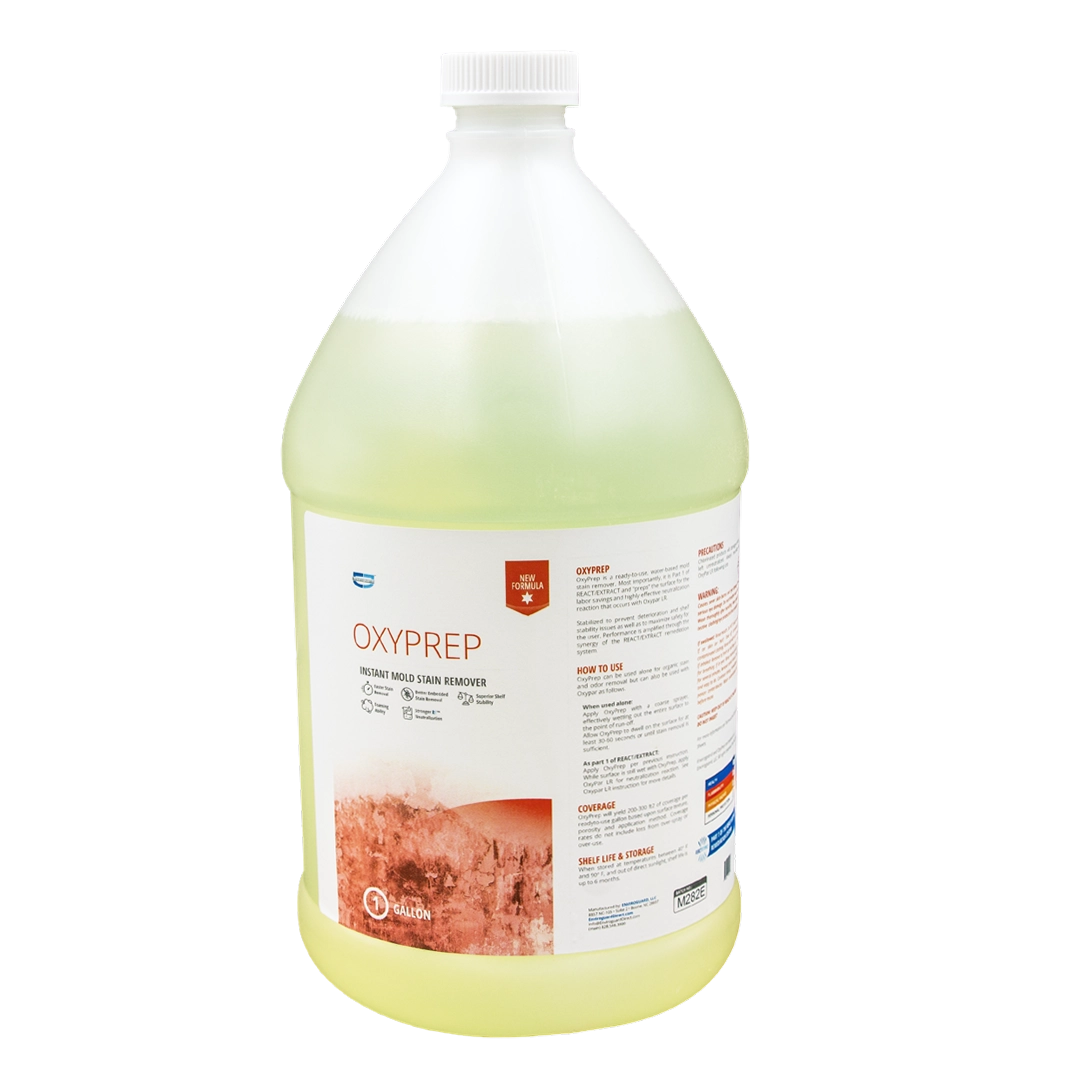
Cleaners and Stain Removers
Professional cleaners and stain removers help restoration teams remove residue, contaminants, and visible stains caused by water, mold, smoke, or other damage. These products prepare surfaces for proper sanitizing and further restoration work.

Sanitizers and Deodorizers
Sanitizers and deodorizers help eliminate microorganisms and neutralize lingering odors after the initial cleanup. They ensure affected areas are properly treated and ready for the next phase of restoration.
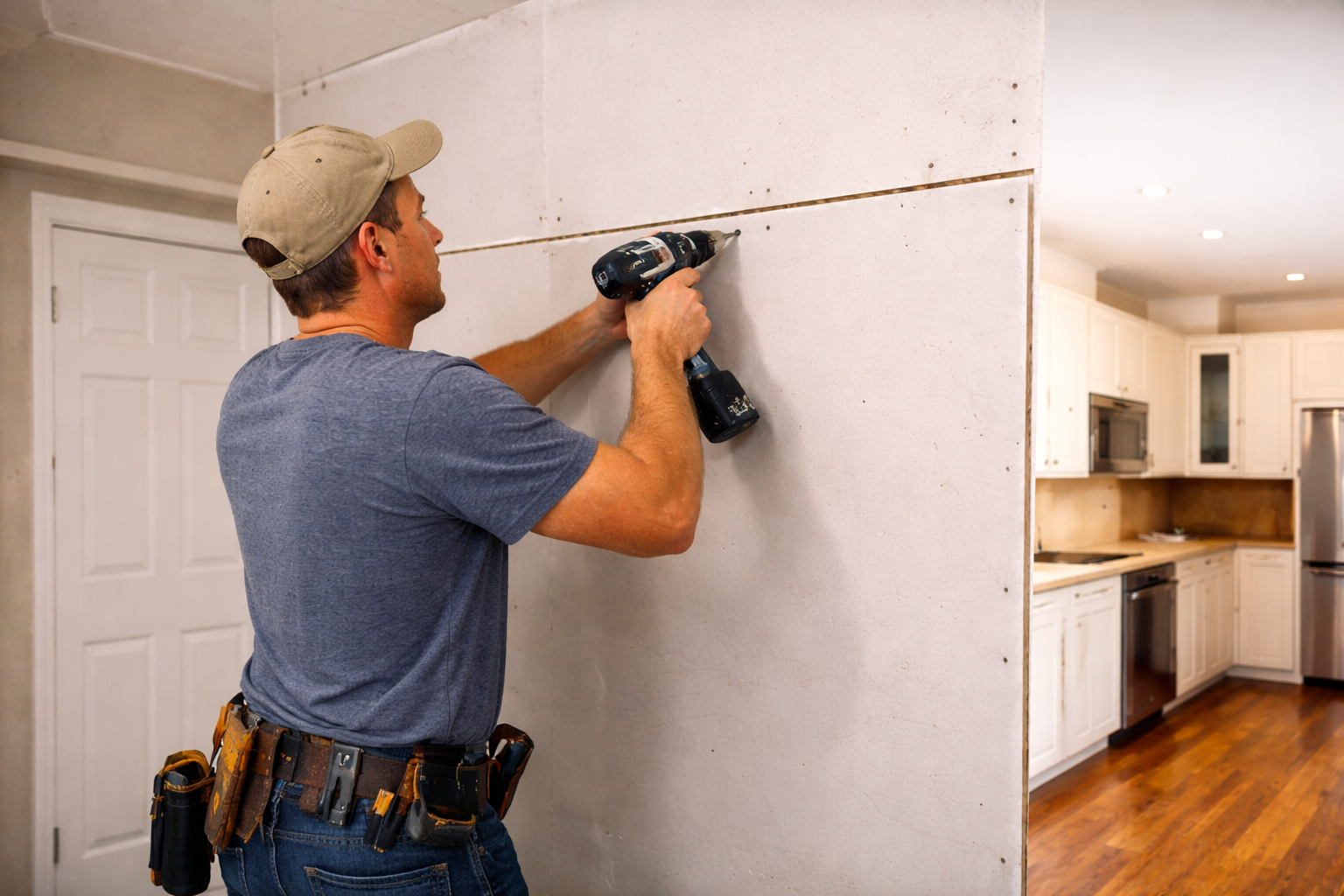
Restoration comes after the environment has been made safe. It is the rebuilding phase that repairs what was damaged and returns your home to the way it looked and functioned before the loss. While remediation addresses contamination, restoration restores appearance, structure, and everyday usability, making the space feel whole again.
This can include:

Coatings and Sealants
Coatings and sealants are used during the build back phase to protect surfaces, lock in contaminants, and create a stable foundation for repairs. They are commonly applied after cleaning to ensure surfaces are properly sealed before reconstruction.
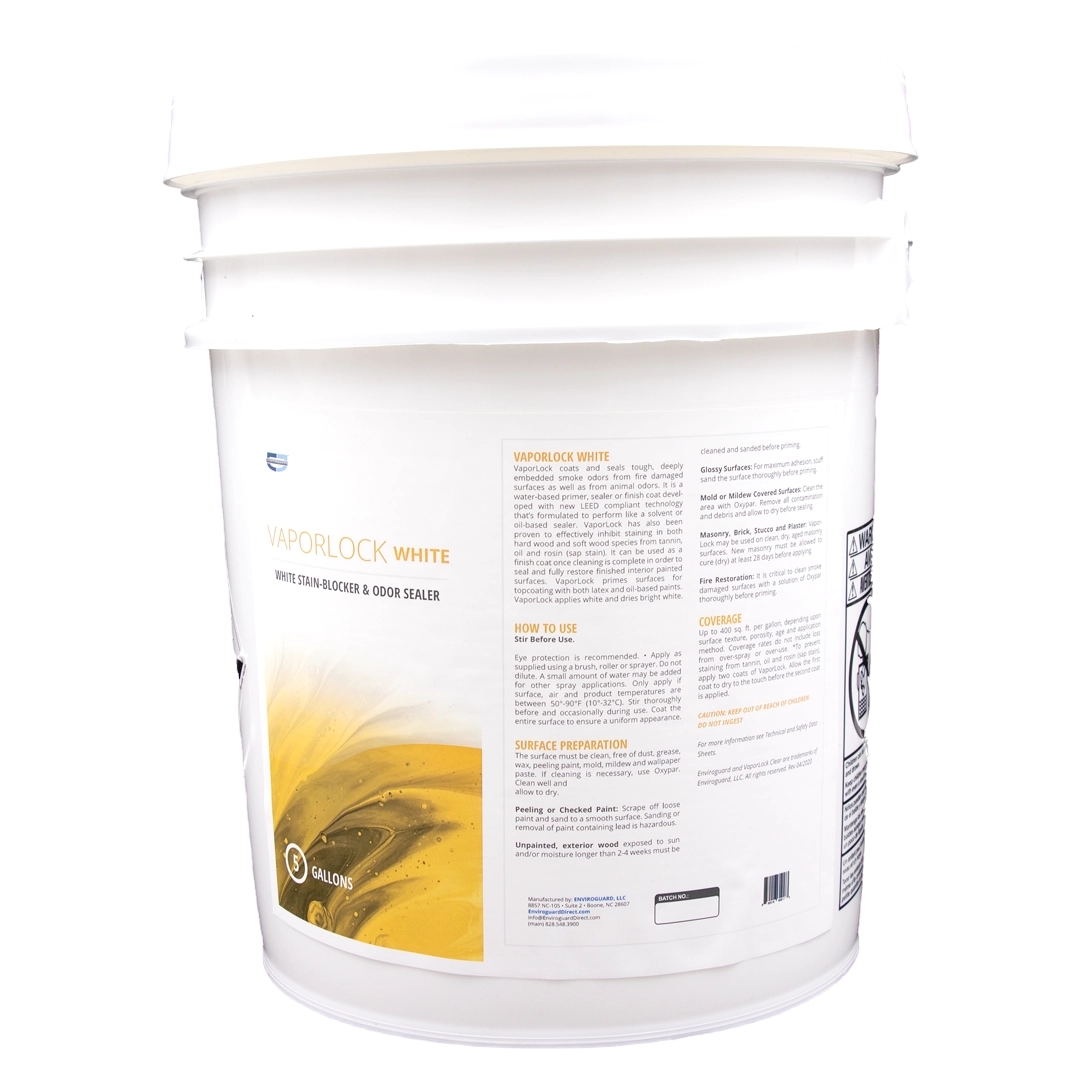
VaporLock
VaporLock is an odor blocking coating designed to seal in stubborn odors caused by smoke, fire, or other contamination. It creates a durable barrier that helps prevent odors from returning during the restoration process.
If you remember nothing else, remember this: remediation makes a structure safe, and restoration makes it whole again. Remediation focuses on removing contamination such as mold spores, soot particles, bacteria, and odor molecules. Restoration focuses on repairing and rebuilding what was damaged so the space looks and functions like it did before the loss. Both are essential, but they serve very different purposes. One protects health. The other restores appearance and usability.
Problems arise when restoration begins before remediation is complete. Contamination can become trapped behind new drywall, flooring, or paint, allowing hidden issues to continue spreading. A wall may look perfect on the outside while mold grows inside. A smoke odor may seem gone, only to return weeks later. The correct sequence is simple: first make the structure safe, then rebuild it. That order ensures the results last.
Most serious property damage events require both phases. After a water loss, remediation dries and removes contamination, while restoration replaces damaged materials. After a fire, remediation neutralizes soot and odor, and restoration repairs structural and cosmetic damage. In a sewage backup, remediation decontaminates hazardous materials, and restoration rebuilds what was removed. Together, they complete the recovery process.
True remediation requires specialized knowledge, proper containment, advanced air filtration, and strict adherence to recognized industry standards. It is not just demolition and rebuilding. It is contamination control. When evaluating a contractor, ask how they manage airborne particles, how they prevent cross contamination, and how they verify the environment is safe before restoration begins. Confident, detailed answers matter.
If you are not sure where to start, you can connect with a qualified remediation professional through our Find a Pro directory. Every listed firm understands the difference between remediation and restoration and follows industry best practices to protect your property and your health.